

What Is OAC Financing? What It Means on an Ontario Car Ad

O.A.C., also written OAC, stands for on approved credit. On a car ad or quote, it means the financing shown, whether a rate, a payment or a special offer, applies only if a lender approves your credit application.
Until a lender says yes, the number is an example, not your offer.
Picture a shopper in Lanark County with two vehicle ads open on a phone, O.A.C. under the payment on both, asking the obvious question: what is OAC financing, and does that number apply to me? Here is the answer, and what to check in Ontario before you rely on it.
Key Takeaways
O.A.C. means on approved credit: the financing in an ad applies to you only once a lender approves your application. Approval, and the rate, term and payment that come with it, depend on the applicant, the lender and the vehicle.
The approval comes from a lender, so ask who the lender is.
Your credit history can affect both whether you are approved and the interest rate you are offered.
In Ontario, an ad that shows a finance rate or payment also has to show the annual percentage rate and the term.
The terms you are approved for come in writing before you sign, so compare them with the ad.
Applying can mean a hard credit inquiry; checking your own credit report does not affect your score.
What Is OAC Financing on a Car Ad?
On a car ad, OAC financing is financing offered on one condition: that a lender approves your credit application. OAC is O.A.C. written without the periods, and both stand for on approved credit.
The short version is one sentence. Financing is subject to lender approval (O.A.C.).
That condition can sit beside a rate, a payment or a special finance offer, and it applies to each of them.
Whether a lender will say yes to you, and on what terms, is what your application answers.

Who Does the Approving?
A lender does. The Financial Consumer Agency of Canada says most dealerships make car loan arrangements for you with a lender, so the approval behind an O.A.C. offer is that lender's decision.
That is why the first question to ask about the offer is who the lender is.
Carleton Place Ford has another guide that explains how to ask who the lender is, and what the answer tells you.
How Do You Find Out If an O.A.C. Offer Applies to You?
To find out whether an O.A.C. offer applies to you, you apply. The federal consumer agency notes that you'll need to sign an application for a dealer to give you an approval and a quote.
OMVIC, the province's vehicle sales regulator, adds that a dealer arranging financing may send your application to more than one lender, and that each approval can come with different terms or interest rates.
That is why it helps to know which lenders saw your application, and what each one approved.
Applying can mean a hard credit inquiry, which can affect your credit score. Checking your own credit report or score does not, the federal consumer agency says.
What Does a Lender Weigh Before Saying Yes?
Approval is a lender's decision. Lenders generally look for regular income, a bank account and a permanent address, check your credit report and look at the debts you already carry, the federal consumer agency says.
The vehicle sales regulator adds that the terms and rates available to you will be based largely on the vehicle being purchased and your creditworthiness.
The federal consumer agency notes that the interest rate a lender offers you may vary with your credit history, the type of lender and the type of loan.
It also points out that the credit score you see may be different from the score a lender sees.
If your credit has taken a hit, Carleton Place Ford's guide to what happens when you apply with bad credit covers that question.

What Has to Appear Beside an Advertised Rate or Payment?
In Ontario, an ad that shows a finance rate or payment also has to show the annual percentage rate and the term, even when the rate is zero. An ad covering a range of deals has to say its numbers are a representative example.
The O.A.C. beside them tells you the rest: those numbers apply once a lender approves you.
Carleton Place Ford's separate guide walks through what an Ontario finance ad has to tell you.
Can the Price Itself Depend on Financing?
It can, within limits. The vehicle sales regulator says a dealer's advertised price has to be available to every buyer, with financing the one qualification it allows, and a price offered only with financing has to make that clear in the ad.
The province adds that a dealer's advertised price must be all-in, apart from taxes.
That rule is for registered dealers' ads; a manufacturer's own ads don't have to show an all-in price.
So if the price depends on financing, the ad should tell you, and that financing is still on approved credit (O.A.C.).
Where Do You See the Terms You Were Approved For?
You see them in writing, before you sign. In Ontario, once you are approved, the annual percentage rate, the term, the payment and the total cost of borrowing have to be on the paperwork first.
The vehicle sales regulator puts it plainly: verbal assurances do not replace written disclosure.
The federal consumer agency adds that consumer protection laws require your lender or dealer to give you a disclosure statement before the agreement is final. It explains the total cost of borrowing, so read it carefully and ask for a copy.
For a fixed-amount loan, the province's rules also have that disclosure set out the total of all payments, including any down payment or trade-in allowance, and the prepayment rights and charges.
Then compare those written terms with the ad.

Questions to Ask Before You Rely on an O.A.C. Number
Ask a handful of questions before you rely on a number marked O.A.C., and write down the answers. They show whether the advertised financing is the financing you are being offered.
Start with the ad, then the lender, then the paperwork.
Is the number an example? Look for the annual percentage rate and the term beside the rate or payment, and whether the ad says it is a representative example.
Is the price itself tied to financing? A price offered only with financing has to make that clear in the ad.
Who is the lender? The approval behind the offer is that lender's decision.
Which lenders did my application go to, and what did each one approve? The vehicle sales regulator says car buyers should know who their application was submitted to, and should ask about each lender's terms and rate if it went to more than one.
What are the approved terms, in writing? The annual percentage rate, the term, the payment and the total cost of borrowing, before you sign.
Am I comparing the total, not only the payment? The federal consumer agency's advice is to look at all the details, including the interest rate, the payment schedule, financing fees, the total amount financed and the length of the loan.
These are fair questions to ask at any dealership, Carleton Place Ford included.

Does Your Credit Change the Rate You Get?
It can. Your credit history can affect both whether you are approved and the interest rate you are offered, the vehicle sales regulator says.
It describes two broad kinds of car financing: prime financing, generally available to buyers with stronger credit histories and often with lower borrowing costs, and subprime financing, for buyers with limited or challenged credit, which often carries higher interest rates.
So the rate in an ad is not automatically the rate you are approved at.
The federal consumer agency agrees: a good credit history may help you qualify for more credit at better rates, and a poor or limited one may make it harder to borrow.
Applying for Financing With Carleton Place Ford
Apply for financing before you come in if you wish. With your consent, we can review options with participating lenders.
Approval, rate, term and payment depend on the applicant, lender and vehicle, and a credit-bureau inquiry may be required. Bring a driver's licence and proof of income if requested; lender requirements vary.
At Carleton Place Ford, we work with both prime and non-prime lenders, on approved credit (O.A.C.).
Have a vehicle to trade? We put our appraisal of your trade in writing.

Frequently Asked Questions
What Does O.A.C. Mean When Buying a Car?
O.A.C. stands for on approved credit. When you are buying a car, it means the financing in an ad or quote, whether a rate, a payment or a special offer, applies only if a lender approves your credit application.
Is the Advertised Rate on an O.A.C. Offer the Rate You Will Get?
Not automatically. The rate you get is set when a lender approves you, and Canada's federal consumer agency says lenders use your credit report and score to decide if they'll lend you money and at what interest rate.
Who Approves an O.A.C. Offer?
A lender does. Canada's federal consumer agency says most dealerships make car loan arrangements for you with a lender, so the approval behind an O.A.C. offer is that lender's decision, and it is worth asking who the lender is.
What Does an Ontario Finance Ad Have to Show?
In Ontario, an ad that shows a finance rate or payment also has to show the annual percentage rate and the term, even when the rate is zero. An ad covering a range of deals has to say its numbers are a representative example.
Does Applying for O.A.C. Financing Affect Your Credit Score?
It can. Canada's federal consumer agency says applying can mean a hard credit inquiry, which can affect your score, while checking your own credit report or score does not.
So, Does the O.A.C. Number Apply to You?
Only a lender's approval can tell you for sure, and the terms that apply are the ones on your approved paperwork. Until then, treat an O.A.C. rate or payment as an example, and compare it with those written terms before you sign.
Your agreement, your lender and the written terms decide.
When you are ready, you can apply for financing with Carleton Place Ford before you visit, on approved credit (O.A.C.).
If you have questions about O.A.C. or your next vehicle, contact our team in Carleton Place.
Visit us at 10441 Hwy 7, Carleton Place, ON K7C 0T6
Browse inventory, value your trade, apply for financing (on approved credit), book service, or contact the team.
Sales: (888)-910-3538 Parts: (888)-876-1102 Service: (877)-866-8810 Local: 613-257-3988
About the Author:
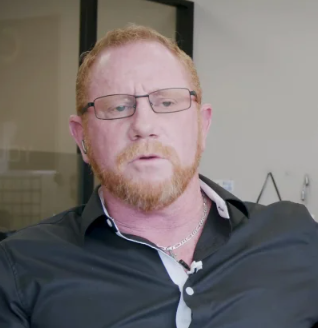
Kerry Irven is the Vice President of New and Used Automotive Operations for Heighton Automotive Group, a family-owned and operated automotive group serving communities across Eastern Ontario. Kerry began his automotive career in new-car sales, building his experience on the showroom floor and working his way through multi-store dealership operations.
With over 25 years in the automotive industry, Kerry has helped grow automotive businesses from one location with 40 to 50 vehicles in stock to more than 500 vehicles across 10 rooftops. His hands-on background in both new and used-vehicle operations gives him a practical understanding of what customers look for when shopping for their next vehicle.
Throughout his career, Kerry has always been actively involved in staff coaching and in understanding customer wants and needs, helping ensure the businesses he works with continue to adapt to what customers are truly looking for.
One of the most exciting chapters of his career has been the shift into modern automotive marketing, embracing new technology, transparent pricing, customer-first inventory strategies, and new ways to create a better vehicle-shopping experience.
Kerry has completed extensive automotive training, including certification through the Ontario Motor Vehicle Industry Council, involvement with the Used Car Dealers Association of Ontario, Canadian automotive dealer training, and multiple customer service courses.
Born and raised on a farm, Kerry has always valued family, hard work, and a practical, down-to-earth approach. Joining Heighton Automotive Group and working alongside Thomas Heighton and family, along with managing partners Kyle Lothian and Martin Gougeon, has allowed him to bring those same values into the car business. It has also allowed Kerry to continue following a simple philosophy: treat every customer exactly the way he would want to be treated.


Comments